The Best Season for a Luxury Yacht Charter in Indonesia: Navigating Monsoons and UHNW Timing
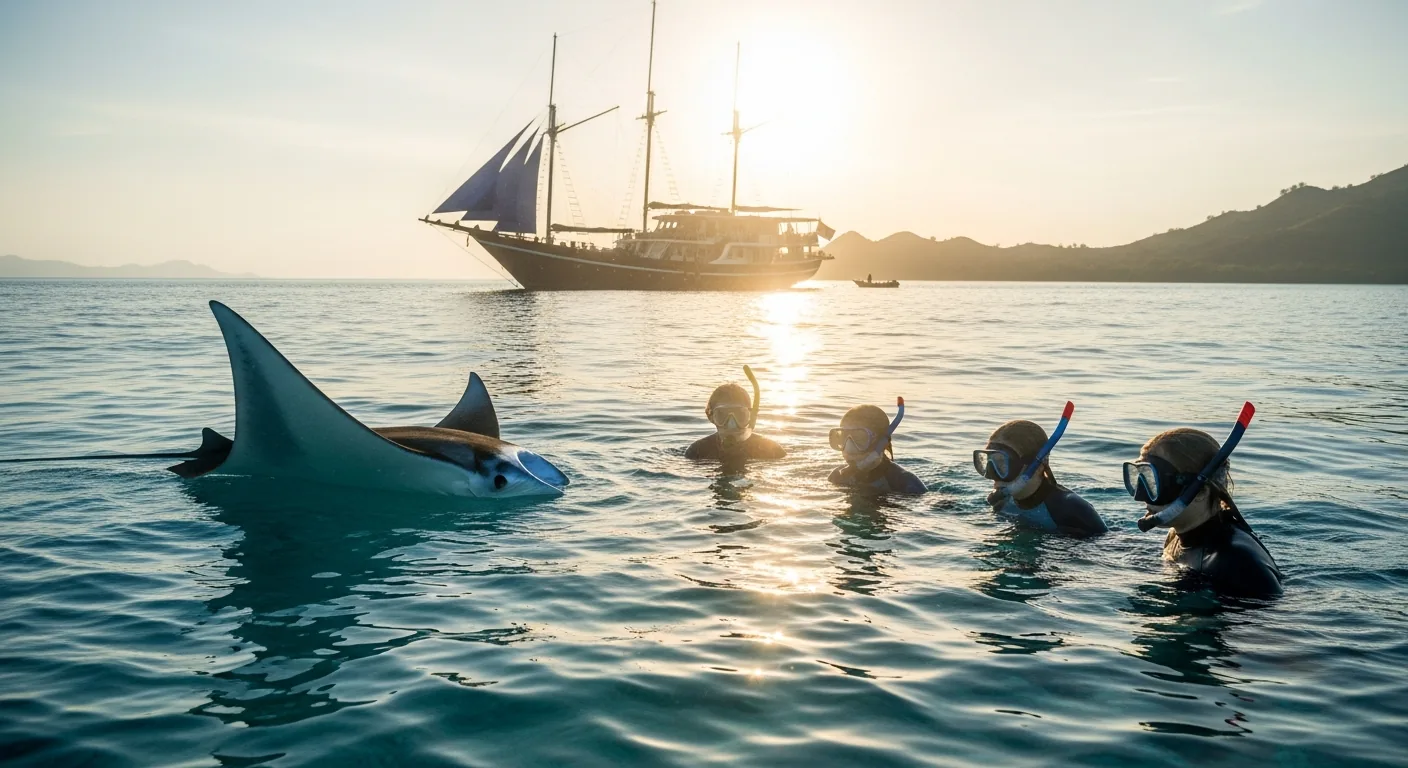
The air, thick with the scent of clove and damp earth, hangs heavy over the caldera. From the deck of the phinisi, the water of the Banda Sea is a sheet of obsidian, disturbed only by the phosphorescent trails of unseen creatures below. It is October. The winds have paused, holding their breath between two great seasonal forces that dictate all life and movement across this archipelago of 17,508 islands. This brief, quiet interlude is not an accident of timing; it is a precise calculation. For those who traverse Indonesia by private yacht, understanding the rhythm of the monsoons is the difference between a passable holiday and a genuinely sublime expedition. See also: Home.
The Tyranny of Two Monsoons: Why Timing is Everything in Indonesia
Planning a luxury yacht charter in Indonesia presents a unique geographical paradox. Unlike the predictable summer seasons of the Mediterranean or the Caribbean’s winter peak, Indonesia’s prime charter windows are governed by two opposing monsoon systems. The country’s vastness, sprawling over 5,000 kilometers along the equator, means that while one region basks in placid, sun-drenched conditions, another can be contending with torrential rain and turbulent seas. This duality is the central challenge—and opportunity—for discerning travelers.
The archipelago is influenced by two primary air-pressure systems originating from the Asian and Australian continents:
- The Southeast Monsoon: Generally occurring from May to September, this is Indonesia’s dry season. It brings cooler, less humid air from the Australian continent, resulting in clear skies and calm seas, particularly in the central and southern parts of the archipelago, including Komodo and the Lesser Sunda Islands.
- The Northwest Monsoon: Arriving from approximately October to April, this system carries moisture-laden air from the South China Sea and Pacific Ocean. It ushers in the wet season, characterized by warmer, humid air, higher rainfall, and potentially rougher sea conditions, especially in the west and south. However, it creates a pocket of idyllic calm in the far east, in Raja Ampat.
This meteorological divide cleaves the Indonesian yachting calendar in two. The world’s two most coveted charter destinations here—Komodo National Park and the Raja Ampat archipelago—have almost perfectly inverted high seasons. A UHNW phinisi Indonesia expedition, therefore, is not about finding one “best” time to visit the country, but about aligning your temporal window with your geographical ambition. See also: explore Contact.
Komodo National Park & The Lesser Sundas: The Dry Season Apex (May – September)
From late spring into early autumn in the northern hemisphere, the focus of the Indonesian superyacht charter world shifts to the Lesser Sunda Islands. This is the domain of Komodo National Park, a UNESCO World Heritage site established in 1980 that encompasses 1,733 square kilometers of volcanic islands and marine-rich waters. The Southeast Monsoon transforms this region into a yachtsman’s sanctuary. See also: book Raja Ampat Luxury Yacht.
During these months, the seas are typically flat and crystalline, with underwater visibility frequently exceeding 30 meters. Water temperatures hover at a pleasant 27-28°C. These are the optimal conditions for diving and snorkeling at world-renowned sites. Aboard your private charter, a day’s itinerary could include a morning trek on Rinca to observe the formidable Komodo dragons in their arid savannah habitat, followed by an afternoon exploring the vibrant coral gardens off Gili Lawa Darat. The iconic three-bay view from the summit of Padar Island is best captured under the sharp, clear light of the dry season. See also: Luxury Yacht Charter Indonesia.
Key Highlights of the Komodo Season:
- Peak Wildlife Encounters: The dry conditions make the legendary Komodo dragons (Varanus komodoensis) more active and easier to spot near waterholes. This is also the prime period for encountering large aggregations of Manta Rays at cleaning stations like Karang Makassar, known as Manta Point.
- Ideal Marine Conditions: The lack of rain ensures minimal runoff from the islands, leading to exceptional water clarity for divers and photographers. Sites like Batu Bolong and Castle Rock teem with life, from schooling fusiliers to reef sharks.
- Shoulder Season Value: For those seeking greater solitude, the shoulder months of April and October can be superb. The weather is often still stable, but the density of other vessels diminishes significantly. April, just after the wet season, sees the islands at their most green and verdant.
For a luxury yacht Komodo charter, this five-month window represents the pinnacle of reliability and accessibility, allowing for seamless exploration from the celebrated Pink Beach (Pantai Merah) to the remote southern shores of Komodo Island itself.
“In Komodo during August, the sea is a highway. The sky is vast and blue. But in May, it is a private sanctuary. The dragons seem to stir just for you. The timing is not just about weather; it is about intimacy.”
Raja Ampat & West Papua: The Counter-Seasonal Crown Jewel (October – April)
As the dry winds recede from Komodo, the Northwest Monsoon begins its advance. While this brings rain to much of Indonesia, it has a sheltering effect on the country’s easternmost frontier: Raja Ampat. Located off the northwest tip of Bird’s Head Peninsula in West Papua, this sprawling archipelago of over 1,500 jungle-clad karst islands becomes the epicenter for premier private charters.
The period from October to April is Raja Ampat’s dry season. The monsoon’s force is blunted by the large landmass of New Guinea, resulting in glassy seas, minimal wind, and calm conditions ideal for intricate waterways between islands like Waigeo, Batanta, Salawati, and Misool. This is the time to kayak through hidden lagoons, tender into secret coves, and dive the single most biodiverse marine ecosystem on Earth.
Raja Ampat lies at the heart of the Coral Triangle and is a living library of marine genetics. The region holds staggering records: over 1,600 species of reef fish and 75% of the world’s known coral species. It was here, in the Dampier Strait, that marine biologist Dr. Gerald R. Allen famously identified 374 fish species on a single dive. For a private charter Raja Ampat expedition, this season provides access to its treasures, from the iconic limestone pinnacles of Wayag to the protected, vibrant reefs within the 1,220-square-kilometer Misool Marine Reserve.
Key Highlights of the Raja Ampat Season:
- Exceptional Diving & Snorkeling: Calm, clear waters offer optimal conditions for exploring sites like Cape Kri, Blue Magic, and the marine sanctuaries of Misool, where oceanic mantas and epaulette sharks are common sights.
- Surface Exploration: The placid seas are perfect for paddleboarding, kayaking, and tender explorations into the labyrinthine karst formations, particularly around the Fam Islands and Wayag.
- Remote Access: The favorable weather allows for comfortable passage to more distant and less-visited parts of the archipelago, ensuring a truly exclusive atmosphere.
The Banda Sea & Spice Islands: The Expeditionary Interlude (March-April & September-November)
For the most adventurous UHNW clients, the ultimate Indonesian charter is not confined to a single region but involves a crossing of the deep, open waters of the Banda Sea. These “transitional” or “crossing” voyages are only feasible during two brief windows: March-April and September-November. These are the moments of climatic equilibrium, the inter-monsoon periods when the winds pause before changing direction, rendering the vast, exposed sea navigable for even the most capable Indonesia superyacht charter vessels.
These are true expeditions, often charting a course from Ambon down through the legendary Spice Islands to the Forgotten Islands and across to Flores, or the reverse. The allure is twofold. First, the history: the Banda Islands were the world’s original and only source of nutmeg and mace, commodities that drove the Dutch East India Company (VOC) and shaped global empires. Walking through the quiet streets of Banda Neira is to step back into the 17th century.
Second, the marine life is on a grand scale. This is the prime time and place to witness schooling scalloped hammerhead sharks, particularly in the waters around Serua and Manuk, the latter an active volcano known as the “island of sea snakes.” The remoteness of these atolls means the reefs are in a pristine, almost prehistoric state. A charter through the Banda Sea is less a vacation and more a piece of genuine, logbook-worthy exploration.
A Comparative Guide: Choosing Your Indonesian Yachting Season
To simplify the decision-making process, here is a direct comparison of Indonesia’s primary luxury charter destinations and their optimal seasons.
| Region | Primary Season | Sea Conditions | Key Highlights |
|---|---|---|---|
| Komodo & Lesser Sundas | May – September | Calm, clear, minimal rain. Visibility 25-30m+. | Komodo dragons, manta ray aggregations, Padar Island viewpoint, world-class diving. |
| Raja Ampat & West Papua | October – April | Glassy, calm, sheltered. Excellent visibility. | Unrivaled marine biodiversity, Wayag’s karst islands, Misool’s marine sanctuary, kayaking. |
| Banda Sea & Spice Islands | March-April & Sept-Nov | Calm inter-monsoon window for open-sea crossings. | Hammerhead shark schools, pristine remote reefs, deep colonial history, Gunung Api volcano. |
Beyond Weather: UHNW Considerations for Optimal Timing
For our clients, selecting the right season goes beyond simply chasing the sun. Strategic timing is crucial for ensuring privacy, exclusivity, and access to specific phenomena.
- Exclusivity and Privacy: The European and North American summer holidays in July and August represent the absolute peak visitor period in Komodo. To experience the park with far fewer vessels, consider chartering in May, June, or September. Similarly, the Christmas and New Year’s weeks are the busiest in Raja Ampat. A charter in late October, February, or March will provide a much more secluded atmosphere.
- Specialized Itineraries: Your specific interests can further refine your timing. If your goal is to swim with the whale sharks of Cenderawasih Bay, this can be done year-round, but the calmest conditions align with the main Raja Ampat season. For dedicated divers hoping to see the elusive Mola Mola (sunfish) off Nusa Penida near Bali, the window is narrow, typically July through early October.
- Vessel Considerations: The choice between a traditional wooden UHNW phinisi Indonesia yacht and a modern motoryacht can also influence timing. While both are supremely capable, a larger, stabilized superyacht may offer more comfort during the shoulder seasons when the occasional squall or swell is more likely, potentially extending your viable charter window.
Securing Your Preferred Season and Vessel
The duality of Indonesia’s climate is not a limitation but an invitation to explore one of the planet’s most dynamic marine environments year-round. The key is precise planning and expert guidance. The most sought-after vessels, from majestic phinisis to expedition-ready superyachts, are often booked 12 to 18 months in advance, particularly for peak season dates and ambitious Banda Sea crossings.
To navigate the complexities of the monsoons and align your charter with your personal objectives requires intimate, on-the-ground knowledge. The team at Luxury Yacht Charter Indonesia provides just that. We translate your desires into a perfectly timed itinerary, securing the ideal vessel for an expedition that is seamless, private, and precisely calibrated to the rhythms of the archipelago.
To begin the conversation about your Indonesian yacht charter, please contact our charter specialists.
Luxury Yacht Charter Indonesia
Phone: +62 811-3941-4563
Email: [email protected]
Office: Jalan Sunset Road No. 88, Kuta, Badung, Bali 80361
By Alistair Finch, Senior Travel Editor